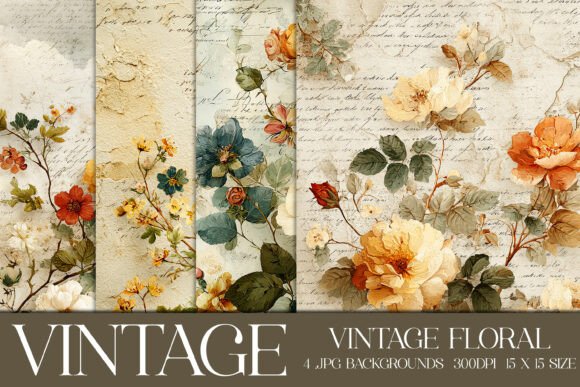
Vintage Floral Backgrounds, S7: A Guide to High-Quality Digital Crafting
In the world of digital design and physical crafting, the foundation of any successful project is often the background. It sets the tone, provides texture, and ties disparate elements together. Vintage Floral Backgrounds, S7 represents a curated collection designed specifically for creators who value authenticity and high-resolution detail. This unique package offers vintage junk journal patchwork style backgrounds that bridge the gap between nostalgic aesthetics and modern digital utility. Whether you are designing for print or web, understanding how to properly utilize these assets can significantly elevate your final output.
Many crafters and designers overlook the technical nuances of digital backgrounds, leading to frustrating results such as pixelation, color mismatches, or poor print quality. By addressing these common pitfalls early, you can ensure that your creative workflow remains efficient and your finished products look professional. This guide explores how to make the most of this specific collection, avoiding typical errors while maximizing the versatility of the included files.
Understanding Resolution and Print Quality
One of the most frequent mistakes beginners make is ignoring resolution requirements. When downloading a vintage background or any digital asset, it is crucial to check the dots per inch (DPI). Many free resources online offer low-resolution images suitable only for screen viewing. However, if you intend to create physical items like cards, scrapbook paper, or sublimation prints, low DPI will result in blurry, unprofessional outcomes.
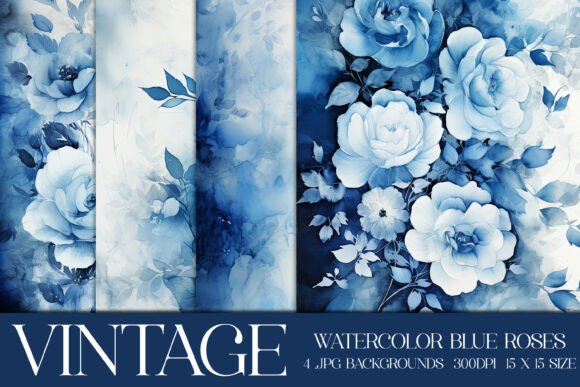
The Vintage Floral Backgrounds, S7 package addresses this by including four high-quality RGB .JPG files at 300 DPI. Each image measures 15×15 inches, translating to 4500×4500 pixels. This specification is vital for several reasons. First, it ensures that when you print these floral backgrounds on standard cardstock or specialty papers, the details remain crisp. Second, the square format is ideal for various applications, from tumbler wraps to social media posts. Ignoring these specifications and attempting to upscale smaller images will never yield the same clarity. Always verify that your source files meet the 300 DPI standard for any physical production.
Color Management: RGB vs. CMYK
A subtle but critical aspect of digital crafting is color space. The files in this collection are provided in RGB (Red, Green, Blue) format. This is standard for digital displays, making them perfect for cellphone backgrounds, blog or website headers, and social media advertising backgrounds. The warm tones of orange, tan, brown, and yellow will appear vibrant and true-to-life on screens.
However, a common misunderstanding arises when users attempt to print these files without considering color conversion. Professional printers often use CMYK (Cyan, Magenta, Yellow, Key/Black). While modern home printers handle RGB files reasonably well, there can be slight shifts in color saturation. For instance, a bright digital yellow might print slightly duller. To avoid disappointment, it is advisable to print a test sheet on your specific printer using your preferred paper type. This small step helps you adjust brightness or contrast settings in your editing software before committing to a large batch of printable paper projects. If you are sending files to a professional print shop, ask if they require CMYK conversion, though many now accept high-quality RGB JPEGs without issue.
Versatility Beyond Scrapbooking
While the term "junk journal" often evokes images of paper crafts, limiting these vintage floral backgrounds to just scrapbook pages is a missed opportunity. The patchwork style, with its mix of country aesthetics and botanical elements, is incredibly versatile. Creators often fail to explore the full range of applications, sticking to traditional uses and underutilizing their purchase.
Consider the growing market for personalized home goods. These backgrounds print beautifully on sublimation blanks. You can create custom tumblers, garden flags, and even t-shirt design backgrounds. The key here is layering. Because these are backgrounds, they serve as the base. You can overlay text, silhouettes, or other graphic elements to create complex designs. For example, a tan and brown floral patchwork can serve as a rustic backdrop for a wedding invitation suite, adding depth without overwhelming the typography. Similarly, using these as stickers bases allows for unique, handcrafted-looking digital products that stand out in crowded online marketplaces.
Avoiding Clutter in Design
When working with intricate floral paper designs, a common error is visual clutter. The patchwork style inherently contains multiple patterns and colors. If you add too many additional elements—such as heavy borders, excessive text, or competing images—the final composition can look chaotic. This reduces readability and aesthetic appeal, particularly in card making or invitations.
To counter this, adopt a "less is more" approach. Use the vintage paper texture as the star of the show. If you are designing a scrapbook background, let the pattern breathe. Use solid-colored mats or frames to separate photos from the busy background. In digital web design, consider lowering the opacity of the background image slightly to ensure foreground text remains legible. The goal is to enhance the content, not distract from it. By balancing the rich details of the orange and yellow hues with ample negative space or simple overlays, you maintain a sophisticated look.
Checking File Integrity and Usage Rights
Before integrating any new asset into your workflow, it is essential to verify file integrity and usage terms. With Vintage Floral Backgrounds, S7, you receive four distinct files. Open each one immediately upon download to ensure they are not corrupted. Check the dimensions to confirm they are indeed 4500×4500 pixels. This proactive step saves time later, preventing mid-project interruptions due to technical issues.
Additionally, always review the license associated with your purchase. While this store appreciates your business and aims to support creators, understanding whether you can use these images for commercial products (like selling printed cards or digital templates) is crucial. Most independent creators allow personal and small-scale commercial use, but confirming this prevents potential legal misunderstandings. If you need assistance or clarification, do not hesitate to contact the seller. Good communication ensures a smooth experience and fosters a supportive community of artists and entrepreneurs.
Maximizing Your Creative Investment
Investing in high-quality digital assets like Vintage Floral Backgrounds, S7 is about more than just acquiring images; it is about enhancing your creative efficiency. By choosing pre-designed, high-resolution backgrounds, you save hours of time that would otherwise be spent scanning old papers, cleaning up dust spots, or arranging collages manually. This efficiency allows you to focus on the unique aspects of your projects, such as layout, storytelling, and customer engagement.
Remember to explore the full potential of these files. Experiment with different blending modes in your photo editing software. Try using them as masks or textures rather than just flat backgrounds. The more you experiment, the more value you extract from the package. And don’t forget to visit the store for additional products. Expanding your library with complementary styles can help you develop a cohesive brand aesthetic across all your printable background needs.
Thank you for visiting my small store. I appreciate your business and your commitment to quality craftsmanship. Have a wonderful day 🙂