250 Years Anniversary Eagle Flag PNG: A Guide to High-Quality Digital Design
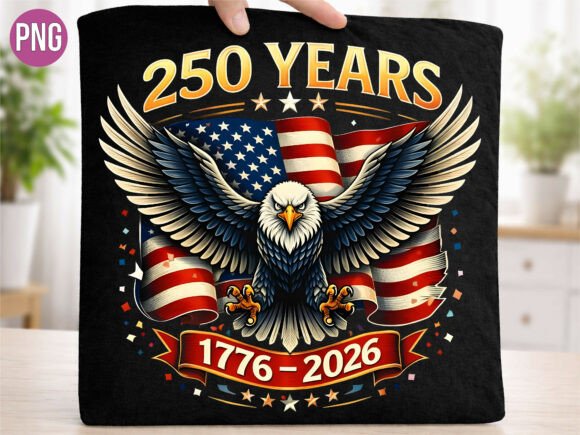
Celebrating a quarter-millennium is a monumental milestone, and for creators, designers, and small business owners, capturing the spirit of this occasion requires more than just a generic graphic. The 250 Years Anniversary Eagle Flag PNG has emerged as a sought-after asset for those looking to produce meaningful, patriotic, and historically resonant merchandise. Whether you are designing for a local community event, launching a print-on-demand store, or creating personal keepsakes, the quality of your source file dictates the success of your final product.
However, navigating the world of digital downloads can be tricky. Many beginners and even seasoned entrepreneurs overlook critical technical details, leading to frustrating results. This guide aims to clarify what makes a high-quality design file essential, common pitfalls to avoid, and how to ensure your creative projects meet professional standards.
Understanding the Value of a Premium Digital Asset
When we talk about a 250 Years Anniversary Eagle Flag PNG, we are referring to a specific type of digital image format that offers distinct advantages for printing and digital display. Unlike JPEGs, which compress data and often introduce visual noise, a PNG (Portable Network Graphics) file supports lossless compression. More importantly, it allows for a transparent background. This feature is not merely a convenience; it is a necessity for seamless integration into various design layouts.
The inclusion of an eagle motif combined with flag elements symbolizes strength, freedom, and heritage. For the 250th anniversary, these symbols carry extra weight. Creators use these designs to evoke a sense of pride and continuity. But the emotional impact of the design is only half the battle. The technical integrity of the file ensures that this symbolism is communicated clearly, without pixelation or awkward white boxes surrounding the image.
Common Mistakes When Selecting and Using Design Files
Even with the best intentions, many users make errors that compromise their final output. Recognizing these issues early can save time, money, and reputation.
Ignoring Resolution and DPI Requirements
One of the most frequent mistakes is downloading a file that looks crisp on a computer screen but appears blurry when printed. Screen resolution typically operates at 72 DPI (dots per inch), while professional printing requires at least 300 DPI. If you attempt to upscale a low-resolution image, the software must guess the missing pixel data, resulting in a jagged, unprofessional appearance.
The Fix: Always verify the file specifications before purchasing or downloading. A high-quality digital design file should explicitly state it is 300 DPI. This ultra-crisp resolution ensures that whether you are printing a small sticker or a large poster, the edges of the eagle’s feathers and the stripes of the flag remain sharp and defined.
Overlooking File Compatibility
Another common oversight is assuming all devices and software handle PNG files equally. While PNG is a universal format, older or specialized cutting machines may require specific preparations. Additionally, some users forget that a ZIP file needs to be extracted before use. Trying to import a compressed ZIP folder directly into design software like Canva, Photoshop, or Cricut Design Space will result in errors.
The Fix: Before you begin your project, ensure your preferred software supports PNG files with transparency. After downloading the 1 ZIP file, right-click and select "Extract All" or use your operating system’s default unzipping tool. This simple step ensures you have access to the actual image file ready for integration.
Misjudging the Transparent Background
A transparent background is powerful, but it can be misleading if you do not check the edges of your design. Poorly created PNGs may have "halos" or leftover pixels around the main subject. When placed on a dark-colored t-shirt or mug, these artifacts become visible and detract from the design’s professionalism.
The Fix: Open your PNG in a viewer that supports transparency (often indicated by a checkerboard pattern) to inspect the edges. A premium 250 Years Anniversary Eagle Flag PNG will have clean, anti-aliased edges that blend smoothly onto any background color.
Practical Applications for Your Creative Projects
Once you have secured a high-quality file, the possibilities are extensive. The versatility of this design makes it ideal for a wide range of Print on Demand (POD) creations and DIY projects. Here is how you can maximize the utility of your digital asset:
- Apparel: T-shirts, hoodies, and tank tops benefit greatly from transparent backgrounds, allowing the design to sit naturally on fabric of any color.
- Drinkware: Mugs and tumblers require high-resolution images to withstand the curvature and printing process without losing detail.
- Home Decor: Pillows, posters, and wall art can showcase the intricate details of the eagle and flag, provided the DPI is sufficient.
- Paper Goods: Greeting cards, journals, and scrapbooks allow for tactile engagement with the design, making crisp lines essential for a premium feel.
- Stickers and Decals: These small-format items demand the highest clarity, as any blurriness is immediately noticeable at close range.
For entrepreneurs, this means one file can serve multiple product lines, reducing the need for multiple design commissions. For hobbyists, it simplifies the creation of personalized gifts that look store-bought.
What to Check Before Making a Decision
Before you commit to using a specific 250 Years Anniversary Eagle Flag PNG for your business or personal project, take a moment to evaluate the source. Not all digital files are created equal. Here is a checklist to ensure you are making a sound investment:
- Verify the Format: Confirm the file is a PNG. Avoid JPEGs for designs that need to be layered over other colors or images.
- Check the Resolution: Look for the "300 DPI" specification. This is non-negotiable for print quality.
- Test the Transparency: If possible, view a preview of the file on both light and dark backgrounds to ensure no unwanted borders exist.
- Review Licensing Terms: Ensure the file allows for commercial use if you plan to sell products featuring the design. Many high-quality digital design files come with commercial licenses, but it is always wise to double-check.
- Assess the Artistic Style: Does the eagle and flag design match the tone of your brand or event? A realistic style may suit formal commemorations, while a distressed or vintage look might fit casual apparel better.
Enhancing Your Workflow with the Right Tools
Having a great file is only part of the equation. Using the right tools can further enhance your results. If you are new to design, platforms like Canva offer user-friendly interfaces for uploading PNGs and adding text. For more advanced control, Adobe Photoshop or Illustrator allows for precise color correction and scaling.
Remember, the goal is to create a product that honors the significance of the 250th anniversary. By starting with a High-Quality Digital Design File, you set a foundation for excellence. Avoid the temptation to cut corners with free, low-resolution alternatives found on random search results. The time saved by using a pre-vetted, high-DPI PNG far outweighs the hours spent trying to fix a poor-quality image.
In conclusion, the 250 Years Anniversary Eagle Flag PNG is more than just a graphic; it is a tool for storytelling and celebration. By understanding the technical requirements, avoiding common pitfalls, and choosing the right applications for your design, you can create impactful, professional-grade products. Whether you are a beginner exploring your first DIY project or a seasoned marketer expanding your product line, prioritizing quality in your digital assets will always yield better results.