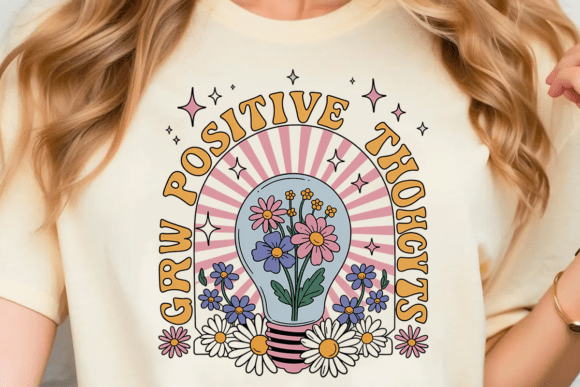
Grow Positive Thoughts Sublimation Design: A Guide to Quality and Usability
In the world of custom printing, the difference between a professional-looking product and a disappointing amateur attempt often comes down to one critical factor: file quality. When you decide to Grow Positive Thoughts Sublimation Design into your inventory or personal craft projects, you are not just buying an image; you are investing in the foundation of your final product. Many creators rush into purchasing digital assets without fully understanding the technical specifications required for high-quality sublimation. This oversight can lead to pixelated prints, color mismatches, and wasted materials. Understanding what makes a design truly sublimation-ready is essential for anyone looking to produce durable, vibrant, and marketable goods.
Understanding the Technical Foundation
Sublimation printing is a unique process that turns solid ink into gas under heat and pressure, bonding it directly into polyester fibers or polymer-coated surfaces. Because the ink becomes part of the material rather than sitting on top of it, the source image must be flawless. The Grow Positive Thoughts design included in this download is crafted specifically to meet these rigorous demands. It arrives as a high-quality PNG file, compressed in a ZIP format for easy transfer and storage. But beyond the file format, the resolution and background transparency are where many beginners stumble.
A common misunderstanding is that any image found online can be used for sublimation. This is rarely true. Low-resolution images, typically saved at 72 DPI (dots per inch) for web use, will appear blurry and unprofessional when printed on a mug or t-shirt. The design provided here boasts a resolution of 300 DPI at 4000×4000 pixels. This specification is not arbitrary; it ensures that when the image is scaled to fit standard products, every edge remains crisp, and every color transition remains smooth. Ignoring DPI requirements is the fastest way to ruin a batch of products, leading to financial loss and customer dissatisfaction.
Common Mistakes in File Selection and Preparation
One of the most frequent errors creators make is overlooking the importance of a transparent background. When working with sublimation, you generally want the design to blend seamlessly with the substrate. If you use a JPEG file, which does not support transparency, you will end up with a white box around your design. This looks amateurish on colored mugs or dark-themed apparel. The Grow Positive Thoughts Sublimation Design features a solid color PNG with a transparent background, allowing you to place the text and graphics over any base color without unwanted borders. Failing to check for transparency before purchasing or downloading files can result in hours of tedious editing work in software like Photoshop or Canva, time that could be better spent marketing your products.
Another overlooked detail is color profile management. Sublimation printers often interpret colors differently than standard office printers or computer monitors. While this specific design is optimized for sublimation print projects, users must still ensure their printer settings are aligned. Using the wrong paper type setting or incorrect heat press temperature can shift colors, making bright yellows look muddy or blues appear purple. Always perform a test print on a small scrap piece of sublimation paper to verify color accuracy before committing to a full production run. This simple step saves both ink and substrates.
Maximizing Compatibility with Cutting Machines
For those who combine sublimation with vinyl cutting or heat transfer vinyl (HTV), compatibility is key. This premium-quality file is fully compatible with Cricut, Silhouette, and other cutting machines. However, a mistake many hobbyists make is assuming that a PNG file can be directly cut like an SVG. While you cannot "cut" a raster image in the traditional sense, you can use the "Print then Cut" feature available in most modern cutting software. This allows you to print the sublimation design and then cut around it precisely if you are creating stickers or layered decals.
To avoid alignment issues during the "Print then Cut" process, ensure that your printer calibration is accurate. Misalignment can cause the cut line to miss the edge of your design, ruining the aesthetic. Additionally, when using this design for projects like tote bags or greeting cards, consider the size constraints of your specific machine. The 4000×4000 pixel dimensions provide ample room for resizing, but always maintain the aspect ratio to prevent distortion. Stretching the image disproportionately will degrade the quality and make the text difficult to read, undermining the positive message of the design.
Practical Applications and Product Ideas
The versatility of this design allows for a wide range of creative applications. It is ideal for t-shirts, mugs, tote bags, greeting cards, stickers, and wall art. For small business owners, diversifying your product line using a single high-quality asset can significantly improve profit margins. For instance, you can sublimate the Grow Positive Thoughts design onto a ceramic coaster set, a laptop sleeve, and a metal water bottle. Each item appeals to a different segment of the market, from office workers to fitness enthusiasts.
When applying the design to different surfaces, remember that material composition matters. Sublimation only works effectively on polyester fabrics or polymer-coated hard goods. Attempting to sublimate onto 100% cotton t-shirts will result in a faint, washable image. Instead, use poly-blend shirts (at least 65% polyester) for the best vibrancy. For mugs and tumblers, ensure they are specifically coated for sublimation. Using generic ceramics will result in the ink wiping off immediately after washing. These material checks are crucial for maintaining product quality and customer trust.
Evaluating Value and Making Informed Decisions
Before downloading or purchasing any digital asset, it is wise to evaluate what is included. This package offers an instant digital download with no physical product, which means there are no shipping delays or environmental waste associated with packaging. However, some users mistakenly expect physical items or editable vector files (like AI or EPS). Understanding that this is a high-resolution PNG helps set realistic expectations. If you need to edit individual elements of the text, you may need graphic design software, as PNGs are flat images. For most users, however, the ready-to-print nature of the file is a benefit, reducing preparation time.
Consider the licensing terms as well. While this design is perfect for both personal crafts and small business products, always verify the commercial use rights provided by the seller. Using designs without proper licensing can lead to legal issues down the line. By choosing a reputable source that provides clear usage guidelines, you protect your business and ensure ethical practices. The Grow Positive Thoughts Sublimation Design is crafted to bring creativity and character to your projects, but its true value lies in how well you integrate it into your workflow.
Final Checks for Success
To ensure the best results, follow this quick checklist before hitting print:
- Verify Resolution: Confirm the file is 300 DPI to avoid pixelation.
- Check Transparency: Ensure the background is transparent if layering over colored substrates.
- Test Print: Always run a small test to check color accuracy and alignment.
- Material Match: Use only polyester-blend fabrics or polymer-coated hard goods.
- Heat Settings: Calibrate your heat press according to the specific substrate manufacturer’s recommendations.
By paying attention to these details, you transform a simple digital file into a high-value product. The Grow Positive Thoughts design is more than just text on a screen; it is a tool for spreading positivity through tangible, well-crafted items. Avoiding common pitfalls in file selection, material choice, and printing technique ensures that your final products reflect the care and professionalism your customers expect. Whether you are a beginner learning the ropes or a seasoned entrepreneur expanding your catalog, prioritizing quality assets and proper technique is the surest path to success in the sublimation industry.